
UPCOMING PROGRAM
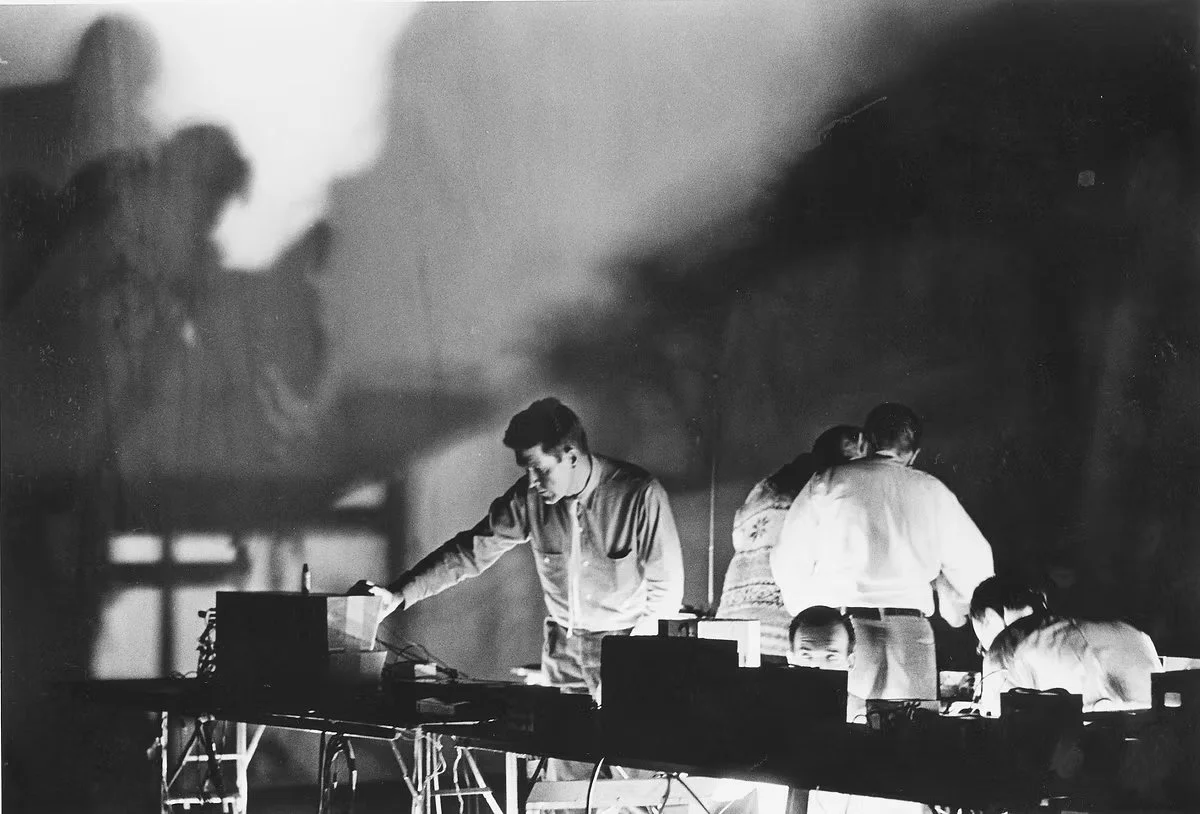
ART ON SCREEN: E.A.T. and John Cage’s Variations VII
Tuesday, Oct 27 | 7:15-8:30 PM
At The Kentucky Theater: 214 E Main Street
A collaboration between 2nd Story, the University of Kentucky College of Design, and The Kentucky Theater, this program will feature a documentary about Experiments in Art and Technology’s 9 Evenings: Theatre & Engineering, with a focus on John Cage’s performance Variations VII, during which he drew sounds from telephone lines, radio signals, household appliances, generators, brainwaves, and other sources to create a constantly changing composition. The screening will be followed by a conversation with Michael Solway of Cincinnati’s Solway Gallery, whose family had deep relationships with pioneering artists such as John Cage, Nam June Paik, Buckminster Fuller, and others working at the intersection of art and technology.
CURRENT EXHIBITION
CAMILA GALAZ
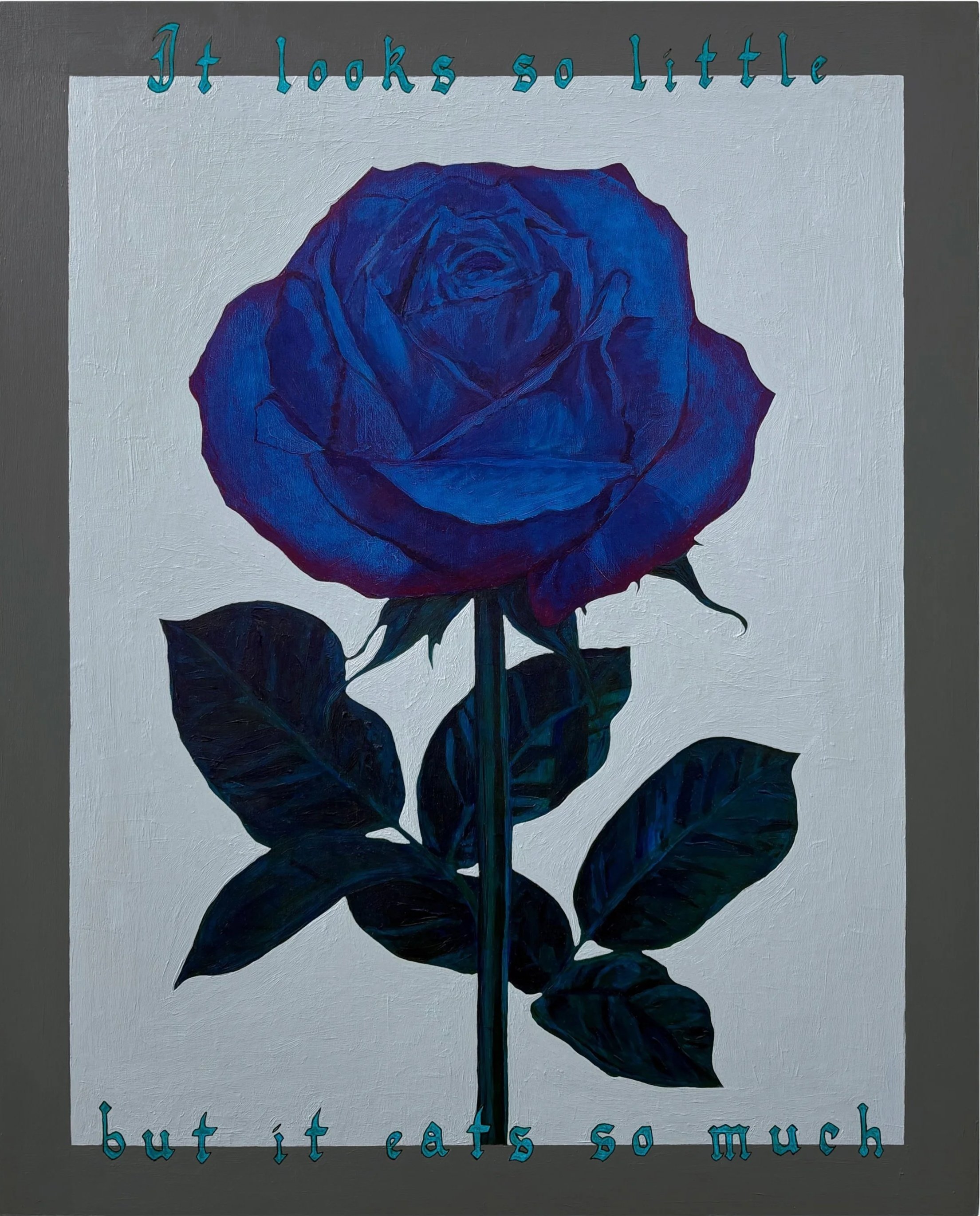
DISKETTE//ROSETTE
In her solo exhibition, Diskette//Rosette, Camila Galaz presents a series of new paintings, video, digital prints, and an interactive website examining how 1980s computer advertising used Charlie Chaplin’s “Little Tramp” character and the symbol of the rose to humanize technology. As Galaz explains, "This exhibition continues my exploration of semiotics, digital intimacy, and media archaeology, reconstructing lost or overlooked tech histories to better understand our current era of increasingly seamless human-computer integration."
2nd Story is an exhibition space in Lexington, Kentucky that presents curatorial projects and public programs.
Founded on the values of curatorial freedom, artistic experimentation, and open dialogue, we challenge exhibiting artists to take risks in creating new work and encourage the public to embrace all forms of contemporary art practices.
By fostering rigorous acts of making and generative ways of engaging, we hope to stimulate expansive approaches to thinking.

Visit Us!
Monday by request
Tuesday 1pm to 5pm
Wednesday 1pm to 5pm
Thursday 1pm to 5pm
Friday 1pm to 5pm
Saturday by request
Sunday by request
*By request, anytime. Please call/text: 608-334-4049